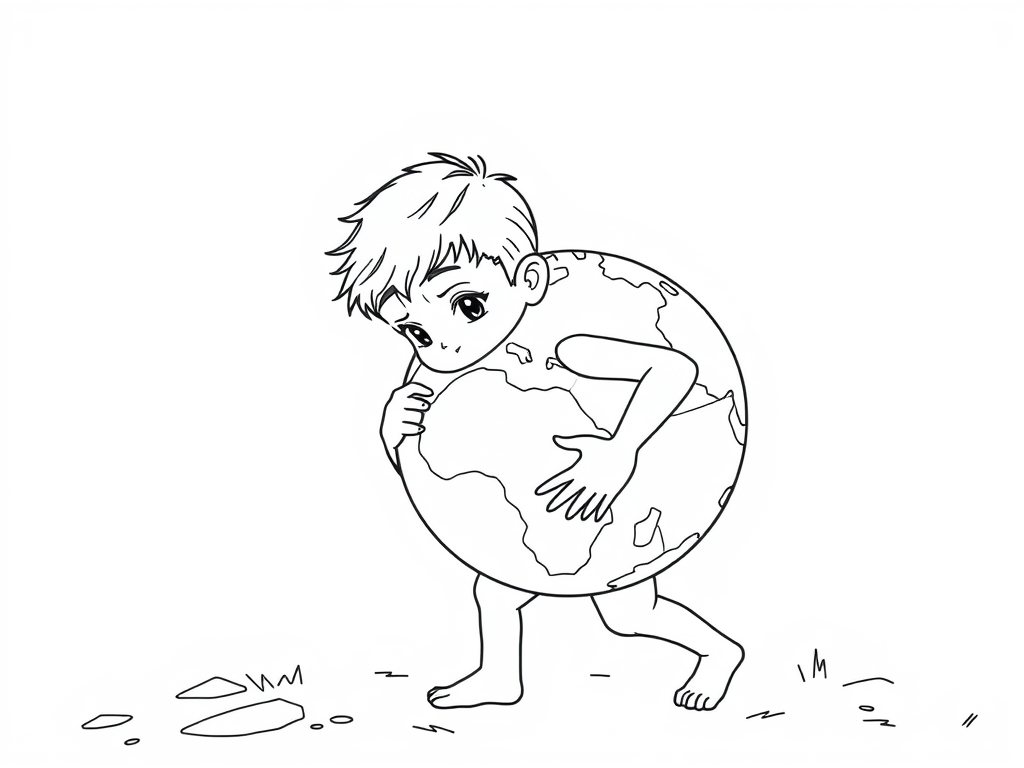
You don’t remember the first time you felt like you weren’t enough, only that once the question arrived, it never really left. It found its way in early, latching onto grades and glances, threading itself through mirrors and moments where you longed to feel seen. You’ve spent years trying to outrun it, hoping the next milestone, the next win, the next nod of approval might finally be the thing that soothes the ache. But it never is.
And maybe that’s the real truth… not that you’ve failed to measure up, but that the measuring was never yours to begin with. That somewhere along the way, the world convinced you that worth had to be earned. But what if it doesn’t? What if being enough isn’t a finish line you fight toward, but something you’ve carried all along, even when it was buried beneath doubt?
Maybe the best thing you can do is stop running and turn back toward yourself. Not the self you’ve performed into being, but the one you were before anyone told you who to become.
For most of us, the story we’ve been told is that worth comes from achievements, applause, milestones. We learn early on that validation is the currency of belonging, and we chase it, thinking it’s the key to feeling whole. But how often have we chased something only to find that it didn’t fill us the way we thought it would? How many accomplishments have been followed by a familiar, unshakable sense of dissatisfaction?
Somewhere deep within, you know that the truth is different. That the space you’re seeking has always been there, waiting to be recognized. Being enough doesn’t need validation from anyone or anything else. It exists beneath all the noise, beneath all the pressure, beneath the constant measuring. You’ve been enough all along, and the key isn’t chasing it, it’s acknowledging it.
This isn’t about stopping your pursuit of growth or goals, it’s about shifting the lens. It’s about seeing yourself as worthy of everything you desire, right now, not as something you’ll become once you’ve met all the expectations set for you. It’s about realizing that your worth is intrinsic, not external.
The work becomes less about proving yourself and more about releasing the burden of needing to prove anything at all. That’s the most selfless act of all: to rest in the truth that you are enough, just as you are.
And once you begin to believe that, everything starts to shift.
You begin showing up differently in relationships, in your work, in the way you speak to yourself. You stop shrinking to fit someone else’s idea of who you should be. You start choosing things because they feel aligned, not because they make you look impressive. You let go of the pressure to constantly improve, and instead, you begin to uncover. Not fix. Not perform. Just return.
This is the rebellion: not in loud defiance, but in choosing gentleness in a world that profits off your insecurity. In pausing when the world tells you to speed up. In saying, “I am enough,” even when no one claps for it. Even when it feels unfamiliar. Even when you don’t fully believe it yet.
Because learning to believe it is the work. And that work takes time. Patience. Practice.
But every time you offer yourself that belief, even just for a moment, you’re building something unshakable. A foundation that won’t crumble every time you fall short. A home inside yourself that doesn’t need anyone else’s permission to stand.
So maybe the goal isn’t to become someone new or someone else. Maybe it’s to remember who you were before the world told you you had to be more. To return to the parts of you that were never broken, only buried. And from that place, to live as if you’ve always been enough. Because you have been.
Reflective Question:
What would change if you stopped trying to prove your worth and started believing in it instead?
 Still Becoming
4 responses to “The Weight You Learned to Carry”
You’ve hit the nail on the head. Speaks to me very well.
LikeLike
You’ve hit the nail on the head. Speaks to me very well.
LikeLike
That kind of connection is exactly why I share these pieces. Thank you for letting me know it resonated, it’s a gift to be understood.
LikeLike
Communication takes effort on both parties part. So much better than blather. You’ve got the gift.
LikeLike